
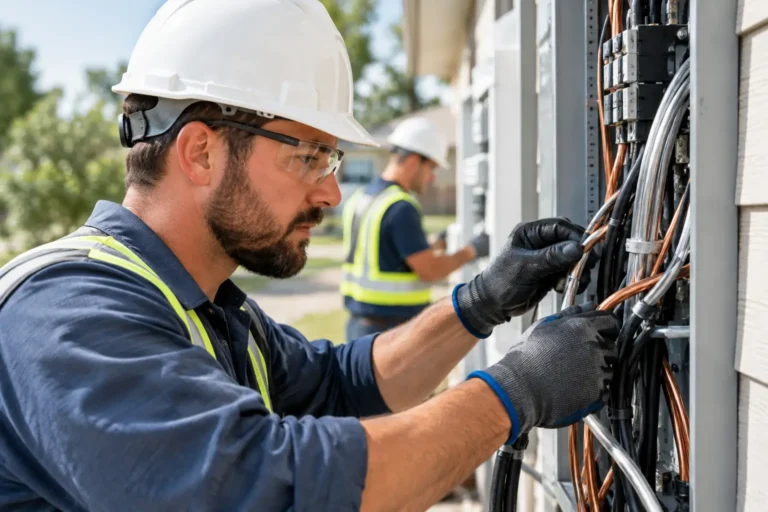
A home can look well maintained while an electrical concern remains hidden behind outlet covers, switches, and junction boxes. Copper aluminum wiring deserves careful attention because aluminum conductors and copper devices do not behave the same way at their connection points. When those connections are not designed, installed, or repaired correctly, they can loosen, overheat, and create a serious safety risk.
For homeowners, landlords, and commercial property managers, the goal is not to panic or assume a full rewire is automatically required. The right next step is a professional evaluation that identifies what type of wiring is present, where it is located, and which repairs will provide a safe, reliable result.
Why Copper Aluminum Wiring Requires Special Care
Aluminum wiring was used in many U.S. properties, particularly during periods when copper prices were high. It is commonly found in some homes built or renovated from the mid-1960s through the 1970s, although the age of a property alone cannot confirm what wiring is inside. Aluminum is still used safely for certain larger electrical feeders and service conductors when properly sized and terminated.
The concern is usually older aluminum branch-circuit wiring serving outlets, switches, and light fixtures. Aluminum expands and contracts more than copper as electrical loads heat and cool. It can also oxidize at a connection. Over time, these factors may increase resistance at a terminal, causing heat buildup that damages the device, insulation, or surrounding materials.
A copper wire connected to aluminum wiring is not automatically unsafe. The issue is whether the connection uses components approved for both metals and whether it was installed according to the required method. Standard devices, connectors, and techniques intended only for copper conductors may not provide a lasting repair for aluminum branch circuits.
Copper-Clad Aluminum Is Different From Aluminum Wiring
The wording on an inspection report or electrical panel can be confusing. Copper-clad aluminum wire has an aluminum core covered with a thin layer of copper. It is not the same as solid aluminum branch-circuit wiring, and its use, age, and application affect how it should be evaluated.
There are also aluminum conductors used for main service equipment, air-conditioning circuits, and larger feeders. Those installations often use approved lugs and anti-oxidation practices suited to aluminum. A qualified electrician should distinguish between a normal, properly installed aluminum feeder and older branch wiring that calls for corrective work. Treating every aluminum conductor as the same can lead to unnecessary expense or, worse, an incomplete repair.
Signs That Call for an Electrical Inspection
Electrical issues do not always announce themselves with a breaker trip. A connection can deteriorate slowly while the circuit continues to operate. Arrange a prompt inspection if you notice one or more of these conditions:
- A switch, outlet cover, or plug feels unusually warm during normal use.
- Lights flicker, dim, or brighten when appliances turn on.
- Outlets, switches, or wiring show discoloration, cracking, melting, or a burning odor.
- A breaker trips repeatedly, an outlet stops working intermittently, or receptacles feel loose.
These symptoms can have several causes, including overloaded circuits, damaged devices, moisture intrusion, or faulty equipment. They should never be treated as a minor inconvenience. Turn off power to the affected circuit when it is safe to do so, avoid using the device, and contact a licensed electrician. Do not remove devices or tighten terminals yourself unless you are trained and authorized to perform electrical work.
How a Professional Evaluation Should Work
A thorough evaluation begins with more than a quick look at the electrical panel. The electrician may review panel labeling, circuit capacity, visible conductor markings, outlet and switch devices, junction boxes, and any prior renovations. In some cases, selective removal of cover plates is needed to verify conductor material and the condition of terminations.
The inspection should also consider how the property is used. A circuit that once served a few lamps may now support televisions, kitchen appliances, computers, chargers, and other daily loads. In a commercial setting, added office equipment, refrigeration, signage, or tenant improvements can place new demands on older electrical systems.
The findings should be clear enough to support a practical decision. Property owners should understand which circuits are affected, whether there is evidence of overheating or improper splicing, what repair method is recommended, and whether the electrical panel or other system components need attention. A dependable contractor will explain the scope in plain language rather than relying on vague warnings.
Repair Options Depend on the Wiring and Condition
There is no one-size-fits-all answer for copper aluminum wiring. The appropriate solution depends on the wire type, circuit condition, number of affected connections, accessibility, local code requirements, and planned renovations.
One approach is to use a professionally installed connector system listed for aluminum-to-copper remediation. These systems are designed to create an approved transition from the existing aluminum conductor to a short copper conductor, allowing the device connection to be made with copper. The method must use the correct listed components and installation procedure. A generic wire nut or a standard outlet marked only for copper is not an equivalent solution.
In some circumstances, replacing every outlet, switch, and connection with devices specifically rated for the conductor type may be considered. This can be appropriate only when the devices and installation method meet current requirements and the wiring is otherwise in suitable condition. It is not a shortcut for damaged, overheated, or improperly spliced conductors.
A complete or partial rewire may be the better long-term investment when the property has aging circuits, limited capacity, unsafe prior work, repeated electrical problems, or a major renovation planned. Rewiring creates an opportunity to improve outlet placement, add dedicated appliance circuits, support modern equipment, and bring the system closer to current safety expectations. It costs more upfront, but it may prevent repeated repairs and reduce disruption later.
South Florida Conditions Add Another Reason to Stay Proactive
Heat, humidity, and storm-related moisture make electrical maintenance especially relevant in South Florida. Humidity alone does not prove a wiring defect, but moisture exposure near exterior walls, garages, patios, roof leaks, or damaged enclosures can worsen corrosion and compromise electrical connections.
Properties that have undergone hurricane repairs, additions, kitchen upgrades, or tenant build-outs should be reviewed with the full electrical system in mind. A new finish, remodeled room, or replacement fixture can conceal older wiring conditions that deserve attention before the project moves forward. Coordinating electrical work early protects the schedule and avoids opening completed walls or ceilings later.
Questions to Ask Before Approving Electrical Work
Before selecting a repair plan, ask whether the electrician has confirmed the conductor type at the affected locations and whether the proposed connectors or devices are listed for that exact application. Request a clear description of which circuits and connections are included, what permits or inspections may apply, and whether the work addresses visible damage as well as the underlying cause.
It is also reasonable to ask about future plans. If you expect to remodel, install new appliances, add a pool system, upgrade HVAC equipment, or improve a commercial space, those projects may affect the best electrical solution. Addressing the wiring in coordination with other construction work can reduce disruption and help protect the value of the investment.
Electrical safety is not the place for guesswork or temporary fixes. A careful inspection and an appropriately scoped repair can turn an uncertain wiring condition into a clear plan for safer, dependable service throughout the property.