
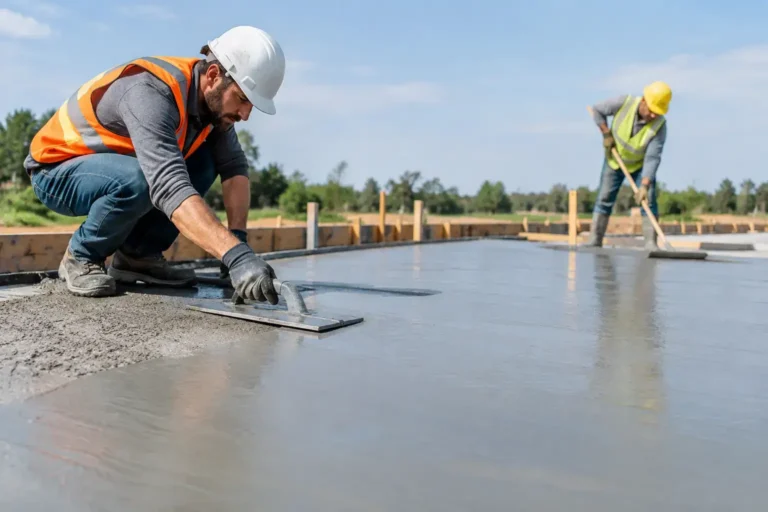
A new concrete driveway or patio can look finished within a few hours, but its most critical work is still happening below the surface. Concrete gains strength through a chemical reaction with water, not simply by drying out. If that moisture leaves too soon, a smooth new slab can develop surface dusting, shrinkage cracks, discoloration, and reduced long-term durability. This concrete curing process guide explains what property owners and project managers should expect after placement and how to protect the investment.
In South Florida, curing deserves extra attention. High temperatures, direct sun, wind, and sudden rain can all affect fresh concrete. The right approach depends on the concrete mix, the type of installation, site conditions, and whether the surface will carry foot traffic, vehicles, or commercial loads.
What Concrete Curing Actually Does
Curing is the period when concrete is kept at suitable moisture and temperature conditions so cement can hydrate properly. Hydration creates the hard, stone-like structure that gives concrete its strength. Water is part of that reaction. When a slab loses water too quickly, hydration slows before the concrete has reached its intended performance level.
Curing is different from setting. Setting is the early stage when fresh concrete becomes firm enough to finish and resist disturbance. Curing continues long after the slab has set. A surface may be safe to walk on before it is ready for furniture, vehicles, heavy equipment, or construction activity.
Good curing supports a denser surface, better abrasion resistance, and lower permeability. Those qualities matter for driveways exposed to tires, patios exposed to weather, walkways that need safe footing, and parking areas expected to handle regular traffic. It cannot correct poor subgrade preparation, improper mix design, or missing control joints, but it is essential to getting the performance the concrete was designed to deliver.
Concrete Curing Process Guide: The First 48 Hours
The first two days are when fresh concrete is especially vulnerable. After placement, the crew levels, consolidates, and finishes the concrete at the right time. Finishing too early can bring excess water to the surface and weaken the top layer. Finishing too late can leave an uneven result or make it difficult to achieve the selected texture.
Once finishing is complete, the goal is to limit rapid moisture loss without damaging the surface. On a sunny, breezy day, exposed concrete can lose moisture much faster than expected. Contractors may use curing compound, wet coverings, plastic sheeting, or another approved curing method based on the application and specified finish.
Property owners should avoid walking across the slab unless the contractor confirms it is safe. Keep pets, children, lawn equipment, planters, and loose debris away from the area. A small mark or gouge made in the first day can become a permanent defect.
Rain requires judgment rather than panic. Light rain after the concrete has sufficiently set may not cause a problem and can reduce surface moisture loss. Heavy rain on newly placed or freshly finished concrete, however, can damage the surface and affect the finish. A qualified crew monitors weather conditions, protects the work when necessary, and determines whether any surface repair is required.
How Long Does Concrete Need to Cure?
Concrete is commonly described as reaching its design strength at 28 days, but strength develops gradually. The precise timeline depends on the mix, weather, thickness, admixtures, and project requirements. A typical residential slab may allow careful foot traffic after 24 to 48 hours, while vehicle traffic often needs at least seven days and sometimes longer.
For a driveway, waiting longer is usually the safer choice. Passenger vehicles place concentrated loads on tires, especially when turning or parking near edges. Heavy trucks, dumpsters, trailers, and moving equipment should stay off new concrete until the contractor confirms the slab is ready. Commercial paving and structural concrete may have project-specific strength testing requirements, so calendar-based assumptions are not enough.
As a practical rule, treat the first week as a protection period and the first 28 days as a strength-development period. Do not pressure wash, apply aggressive cleaners, drag heavy objects, or install features that could trap moisture or scratch the finish during this time unless the project team approves it.
Choosing the Right Curing Method
There is no single curing method that fits every project. The best option should protect the concrete while supporting the intended final appearance and future coatings or sealers.
Curing Compound
A liquid curing compound is sprayed or rolled onto the finished surface to form a membrane that slows evaporation. It is often efficient for driveways, sidewalks, and larger slabs. Some compounds can affect the bond of future coatings, stains, tile adhesives, or sealers. If decorative finishes or coatings are planned, that decision should be made before concrete is placed.
Moist Curing
Moist curing keeps the surface damp through wet burlap, curing blankets, or controlled water application. It can be highly effective, particularly in hot conditions, but it requires consistent attention. Letting the surface repeatedly dry and then soaking it may be less effective than maintaining steady moisture. Water should be applied gently enough that it does not erode or stain the young surface.
Plastic Sheeting and Covers
Plastic sheeting can reduce evaporation and protect concrete from wind and debris. It must be placed carefully to avoid marking a soft surface. In some cases, direct contact with plastic can create uneven color or a mottled appearance, which may be unacceptable for visible patios or decorative concrete. This is a good example of why curing decisions should balance strength, appearance, and maintenance needs.
Common Mistakes That Shorten Concrete Life
The most common mistake is assuming concrete is fully cured because it looks hard. Early loading can cause cracking that is not immediately obvious, especially around slab edges and joints. Another mistake is letting sprinklers, rain runoff, or landscaping wash soil onto the new surface before it has gained strength.
Avoid applying sealer too early. A sealer can help protect cured concrete from staining and moisture intrusion, but premature application may trap moisture, create a cloudy appearance, or interfere with proper curing. The product instructions and the concrete contractor’s recommendations should guide the timing.
Do not try to eliminate every crack with surface treatments. Concrete naturally shrinks as it cures, which is why control joints are installed. These planned joints encourage cracking to occur in less noticeable, controlled locations. Random cracking may signal issues with curing, support conditions, slab thickness, joint layout, or early loading, but not every line in concrete means the installation has failed.
Protecting a New Driveway, Patio, or Walkway
A few simple precautions can make a meaningful difference during the curing period. Keep irrigation aimed away from the slab unless water is being deliberately used as part of the curing plan. Do not park on a driveway early, and do not place ladders, grills, dumpsters, construction materials, or heavy patio furniture on the surface until approved.
Be especially cautious at edges. The edges of a driveway or walkway are more likely to chip when struck by tires, equipment, or hard objects. If landscaping or adjacent work remains unfinished, coordinate access routes so crews do not cross the new slab unnecessarily.
For pool decks and patios, wait before arranging furniture or using umbrellas with weighted bases. Even when the concrete feels firm, concentrated weight can leave marks or damage a new finish. If the surface has a broom finish, stamped pattern, exposed aggregate, or decorative color, ask for maintenance guidance that matches that specific finish.
When to Call a Concrete Professional
Contact the contractor promptly if you notice deep cracks, flaking, scaling, widespread powdery residue, standing water caused by poor drainage, or areas that remain unusually soft. Take clear photos and keep people and vehicles off the affected area until it can be evaluated. Acting early gives the project team the best chance to identify the cause and recommend the appropriate remedy.
A professional assessment also helps separate normal curing characteristics from true defects. Minor color variation, faint hairline shrinkage cracks, and visible control joints can be normal. Significant settlement, broad cracks with vertical displacement, or persistent surface deterioration deserve closer attention.
For homeowners, business owners, and project managers, curing is not an afterthought. It is the final protection step that helps a well-built concrete installation deliver the strength, safety, and clean appearance it was designed to provide. Castellón Services Corp. can help plan concrete work with the right preparation, placement, and aftercare so the finished surface is ready to serve the property for years to come.