
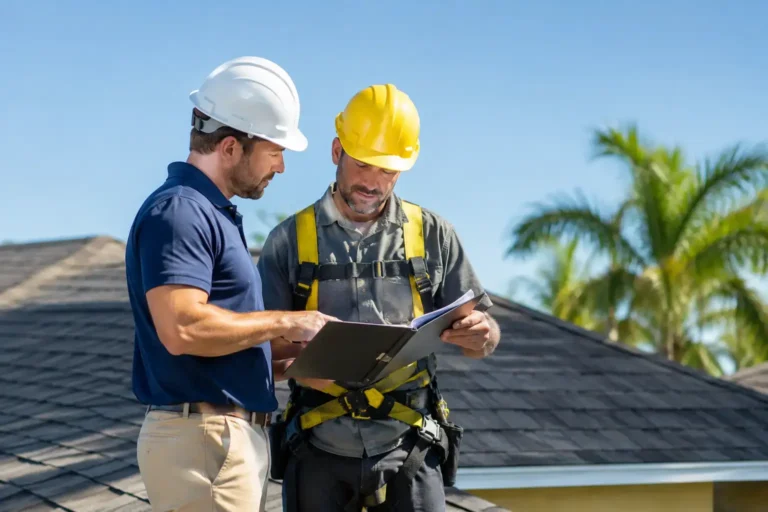
A roof problem rarely arrives at a convenient time. A water stain after a heavy storm, loose shingles near a roof edge, or a persistent leak around a vent can quickly become a concern for your home, business, tenants, or inventory. Choosing the right roofing contractor is not simply about getting the lowest estimate. It is about selecting a professional who can identify the real issue, explain the work clearly, and deliver protection that lasts.
For property owners in South Florida, that decision deserves careful attention. Heat, wind-driven rain, humidity, and hurricane-season conditions place steady demands on every roofing system. A dependable contractor helps you make practical decisions before minor damage turns into a larger repair.
Start With the Condition of Your Roof
Before comparing contractors, take note of what you are seeing. Missing or cracked shingles, damaged flashing, ponding water on a flat roof, sagging areas, interior discoloration, and rising moisture concerns may all point to different underlying problems. The visible symptom is not always the source of the leak.
For example, water appearing near a ceiling light does not necessarily mean the roof directly above it has failed. Moisture can travel along framing, enter through a wall transition, or pass through damaged flashing around a chimney, vent, skylight, or rooftop equipment. A qualified roofing professional should inspect the full area rather than offering a quick diagnosis from the ground.
It also helps to consider the age and history of the roof. A newer roof with isolated storm damage may be a strong candidate for repair. An older roof with recurring leaks, widespread material wear, or deteriorating underlayment may require replacement to provide reliable protection. The right answer depends on the condition of the entire system, not just the most visible damaged spot.
What a Qualified Roofing Contractor Should Provide
A reliable roofing contractor brings more than labor and materials to the project. They provide a clear process, responsible jobsite practices, and a scope of work you can understand before construction begins.
Start by confirming that the contractor is properly licensed and insured for the work being performed. Ask for documentation and verify it rather than relying on verbal assurances. This step protects property owners from unnecessary risk and helps establish that the company is prepared to operate professionally.
You should also expect a written estimate that identifies the proposed work. It does not need to overwhelm you with confusing terminology, but it should be specific enough to answer important questions: What material will be used? Which areas are being repaired or replaced? Is damaged decking included if it is discovered? Who handles debris removal? What is the expected schedule?
A thorough contractor will also discuss warranties in straightforward language. Material warranties and workmanship warranties are not the same thing. Material coverage generally comes from the manufacturer, while workmanship coverage addresses installation-related issues. Knowing the difference helps you evaluate the long-term value of the proposal.
When comparing companies, request clear information on these essentials:
- Active licensing and insurance appropriate for the project
- A written scope, estimate, and payment schedule
- Roofing material options and warranty details
- Permit responsibilities, when permits are required
- Cleanup, site protection, and expected completion timing
Look Beyond the Lowest Estimate
A low price can be attractive, especially when a repair is unexpected. But a roofing estimate should be evaluated based on what is included, what is excluded, and whether the proposed solution addresses the actual condition of the roof.
Two estimates can look similar at first glance while representing very different levels of work. One may include replacement of deteriorated flashing, underlayment, fasteners, and damaged wood when needed. Another may only cover the visible surface material. The lower number may not remain lower if necessary work is discovered after the project starts.
Ask each contractor to explain the differences in plain language. A good professional should be comfortable discussing why one repair approach is recommended over another and where potential additional costs could arise. Transparency does not mean promising that no hidden condition will ever be found. It means explaining how those conditions will be documented and handled if they appear.
For commercial properties, the evaluation should also account for operational impact. A roofing project may need to be coordinated around customer access, employee safety, equipment protection, deliveries, or tenant schedules. The right contractor plans for those realities instead of treating them as an afterthought.
Pay Attention to Communication Before Work Begins
The early conversations with a contractor often reveal what the project experience will be like. Are calls returned? Are your questions answered directly? Does the estimate arrive when promised? Does the company explain the next steps without pressuring you to make an immediate decision?
Reliable communication matters because roofing work can involve changing weather, material deliveries, inspections, and unexpected findings beneath the existing roof surface. You should know who your point of contact is and how updates will be shared throughout the job.
Be cautious of vague promises such as “we will take care of everything” without any explanation of the work. A client-first contractor can make the process easier without leaving you in the dark. You deserve to understand the plan, the schedule, and the decisions that may require your approval.
Choose Materials for the Property, Not Just Appearance
The best roofing material depends on the building type, roof slope, drainage, budget, local requirements, and desired service life. Architectural shingles may be a practical choice for many homes, while tile, metal, modified bitumen, and other systems may suit different properties and roof designs.
Appearance matters, particularly for residential curb appeal and commercial properties that need to maintain a professional exterior. Still, performance should lead the decision. A material that complements your property but is not suitable for its roof design or maintenance expectations can create avoidable problems later.
Your contractor should discuss practical trade-offs. Some systems have a higher upfront cost but may offer longer service life or stronger performance in certain conditions. Others may be more cost-effective for targeted repairs or smaller structures. There is no one material that is right for every building.
In South Florida, proper installation details are especially important. Secure attachment, flashing, drainage, ventilation, edge protection, and weather-resistant components all contribute to the roof’s ability to perform through intense sun and seasonal storms. Quality workmanship is what brings the roofing system together.
Understand Repairs, Replacement, and Preventive Maintenance
Not every roof issue requires a complete replacement. If damage is limited and the rest of the roof is in sound condition, a focused repair can restore protection while extending the roof’s useful life. Timely repairs are often the most cost-effective way to prevent interior damage, mold concerns, and structural deterioration.
Replacement becomes more sensible when repairs are frequent, materials are approaching the end of their service life, or the roof has widespread damage. A responsible contractor should not push replacement when a repair is appropriate, but they also should not patch a failing system repeatedly when the better investment is a planned replacement.
After repair or replacement, maintenance helps protect your investment. Periodic inspections can identify loose materials, blocked drains, damaged sealants, and early signs of wear before they become disruptive leaks. This is especially valuable for commercial properties, flat roofs, and buildings with rooftop mechanical equipment.
Ask Who Takes Responsibility for the Full Project
Roofing work often connects to other parts of a property. Water damage may affect drywall, electrical components, insulation, exterior finishes, gutters, paving near drainage areas, or interior remodeling plans. Coordinating multiple trades can become stressful when no one takes ownership of the bigger picture.
That is where a full-service construction partner can provide real value. Castellón Services Corp. helps residential and commercial clients coordinate roofing needs with related construction work, providing one accountable team focused on quality, safety, and clear communication from planning through completion.
Whether you need a targeted leak repair, a full roof replacement, or an assessment after severe weather, choose a contractor who treats the work as protection for your property, not just another job on the schedule. A careful inspection and a clear conversation today can help preserve your property for years to come.