
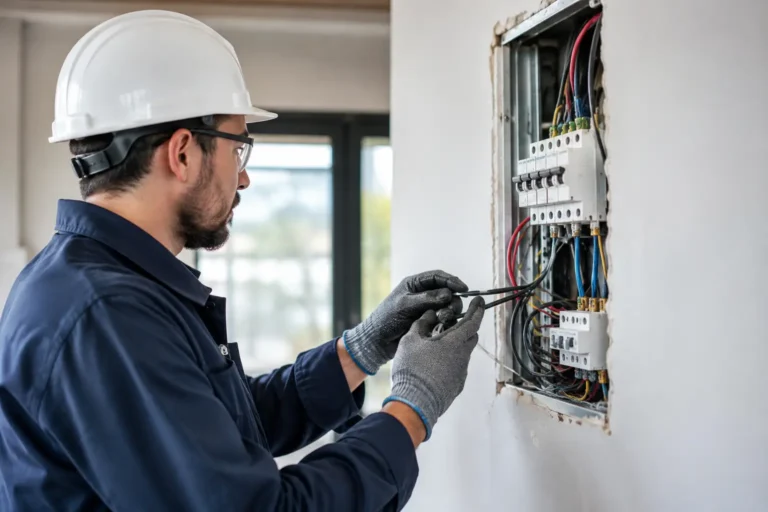
A 1950s home can have electrical wiring that is still performing well, while a much newer property can have unsafe circuits hidden behind recently painted walls. So, can old wiring be safe? Sometimes, yes. Age alone does not decide whether an electrical system is safe. Its condition, materials, installation quality, load demands, repairs, and protective devices matter far more.
For homeowners and commercial property owners, the right response is not to assume that all older wiring needs replacement or to wait for a visible emergency. A qualified electrical evaluation can identify what is working, what needs attention, and whether targeted upgrades or a larger rewiring plan make the most sense.
Can Old Wiring Be Safe in an Older Property?
Old wiring can remain safe when it is intact, properly installed, correctly protected, and adequate for the property’s present electrical needs. Copper conductors in good condition can last for decades. A well-maintained system with secure connections, appropriate breakers, and no evidence of overheating may not require a full replacement simply because the building is older.
However, “still working” is not the same as “safe.” Electrical systems were designed around the appliances, lighting, and equipment common at the time of construction. A home that once powered a refrigerator, a few window air conditioners, and basic lighting may now support central HVAC equipment, computers, large televisions, kitchen appliances, EV charging, pool equipment, and smart-home devices. Commercial spaces face similar changes when tenant improvements add servers, specialized equipment, additional outlets, or higher-capacity lighting.
An older system may be serviceable but undersized. In that case, the safest solution could be an electrical panel upgrade, new dedicated circuits, or strategic rewiring rather than removing every original wire in the building.
What Makes Aging Wiring Unsafe?
Electrical risk usually develops through deterioration, poor modifications, overloads, or outdated safety protection. The wiring itself is only one part of the system. Panels, breakers, outlets, switches, junction boxes, grounding, and connections all need to work together.
Older insulation can become dry, brittle, cracked, or damaged by heat and pests. Loose connections can create resistance and heat, sometimes without causing a breaker to trip. Improper do-it-yourself repairs, overloaded extension cords, and hidden splices outside approved junction boxes add further risk.
Certain wiring types also deserve closer attention. Knob-and-tube wiring, often found in much older buildings, lacks the grounding expected for many modern devices and can be compromised when insulation or later renovations disturb it. Aluminum branch-circuit wiring, used in some properties during the 1960s and 1970s, requires properly rated connectors and devices because improper connections can loosen and overheat. Cloth-insulated wiring may still function, but its condition should be assessed carefully.
In South Florida, heat, humidity, wind-driven rain, and coastal air can accelerate wear around exterior equipment, service connections, pool areas, and outdoor receptacles. Water intrusion near electrical components is never a minor maintenance issue. It requires prompt professional attention.
Warning Signs That Should Not Wait
Some electrical problems announce themselves clearly. Others are easy to dismiss until they become disruptive or dangerous. Schedule an inspection promptly if you notice frequent breaker trips, fuses that blow repeatedly, flickering lights, buzzing at outlets or switches, warm wall plates, burning odors, or discoloration around receptacles.
A breaker that trips once after a temporary overload may be doing its job. A breaker that trips repeatedly is telling you something different. Resetting it again and again does not solve the cause, and replacing it with a larger breaker without evaluating the circuit can create a serious fire hazard.
Two-prong outlets throughout a property, missing cover plates, damaged cords, outlets that feel loose, or power that cuts out in part of the building also deserve attention. In commercial settings, signs such as overloaded power strips, extension cords used as permanent wiring, or equipment that causes recurring shutdowns should be addressed before they affect operations or occupant safety.
Call for urgent help if there is smoke, sparking, a burning smell, a hot panel, or water entering an electrical panel or outlet. Turn off power only if it is safe to do so, keep people away from the affected area, and seek professional assistance.
Inspection Comes Before a Major Decision
A thorough electrical inspection gives property owners facts before they commit to a renovation budget. The electrician should evaluate the service capacity, main panel, breaker condition, grounding and bonding, visible branch wiring, outlets, switches, junction boxes, and signs of overheating or moisture damage. Depending on the property, the review may also include attic spaces, crawlspaces, exterior equipment, pool systems, and circuits serving high-demand appliances.
The goal is to understand both immediate hazards and long-term limitations. For example, a panel may be in good condition but lack enough capacity for a planned kitchen remodel, addition, pool heater, or EV charger. A few older circuits may need replacement while the rest of the system remains suitable. A commercial suite may need new dedicated circuits for equipment, but not a full-building overhaul.
This approach protects the budget as well as the property. Replacing everything without a clear scope can be unnecessary. Delaying needed work because the lights still turn on can be costly and unsafe. A professional assessment helps establish the right priority.
When Rewiring Is the Better Investment
Full or partial rewiring is often recommended when insulation is deteriorated, wiring has been damaged, grounding is absent where it is needed, circuits are consistently overloaded, or previous alterations do not meet current safety expectations. It may also make sense during a major remodel, when walls and ceilings are already open and electrical upgrades can be completed with less disruption.
Rewiring can improve more than safety. It can add grounded outlets, reduce reliance on extension cords, create dedicated circuits for appliances, support modern lighting and technology, and prepare the property for future improvements. For rental, commercial, and resale properties, documented electrical upgrades can also help reduce maintenance surprises and support a more reliable building.
The trade-off is that extensive rewiring involves access to walls, ceilings, and finishes. A careful contractor will plan the work around the property’s use, coordinate repairs to affected surfaces, and explain what areas may be temporarily disrupted. In an occupied home or active business, phased work may be possible, depending on the scope and electrical layout.
Safety Upgrades That May Not Require Full Rewiring
Not every aging system needs a complete replacement. In some cases, targeted upgrades deliver meaningful protection. Modern ground-fault circuit interrupter protection is especially valuable in areas exposed to moisture, including bathrooms, kitchens, garages, laundry rooms, exterior locations, and pool-related spaces. Arc-fault protection may also be appropriate for certain circuits where arcing risks need to be addressed.
Panel repairs or replacement, properly grounded outlets, new dedicated appliance circuits, corrected junction boxes, and replacement of damaged devices can resolve specific concerns. The right option depends on the existing wiring type, the panel’s condition, local requirements, and how the property is used.
Avoid treating a three-prong outlet as proof that grounding is present. An outlet can be changed without correcting the wiring behind it. Likewise, a new-looking electrical panel does not guarantee that every branch circuit in the building is safe. The entire system needs to be evaluated as a connected whole.
Protect Your Property With a Clear Electrical Plan
Electrical work is one area where shortcuts can stay hidden for years. That is why a dependable plan begins with inspection, clear findings, and work performed to applicable code and permit requirements. Property owners should receive straightforward communication about the condition of the system, the urgency of any repairs, the available options, and what the work will involve.
If you are buying an older property, planning a remodel, adding high-demand equipment, or noticing warning signs, arrange an electrical assessment before the issue becomes more disruptive. Castellón Services Corp. helps residential and commercial clients make practical electrical decisions with careful workmanship, safety-focused planning, and accountable service. The best time to understand your wiring is before it gives you a reason to worry.