
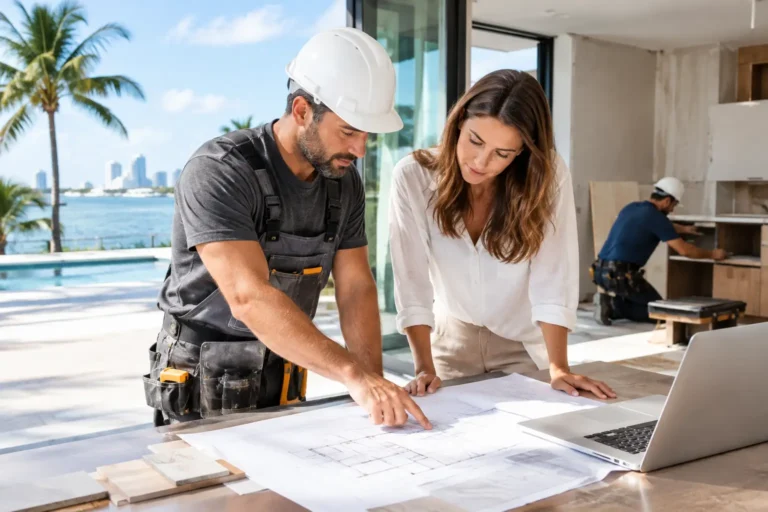
A beautiful remodel in South Florida has to do more than look current on the day it is finished. It needs to stand up to heat, humidity, heavy rain, salt air near the coast, and the demands of daily family or business use. That is why the most valuable South Florida remodeling trends are less about short-lived style and more about making properties safer, more comfortable, easier to maintain, and ready for the years ahead.
For homeowners, that may mean a kitchen that opens to the backyard, a stronger roof system, or a pool area designed for regular entertaining. For commercial property owners, it can mean better lighting, durable flooring, improved accessibility, and exterior upgrades that create a stronger first impression. The right priorities depend on the property, its condition, and how people use it.
South Florida Remodeling Trends Built for Real Conditions
The strongest remodeling decisions combine appearance with performance. Materials and layouts should fit the local climate rather than simply follow a photo or a national trend. A finish that works well in a dry climate may require more maintenance here, while a well-planned exterior improvement can add useful space and reduce future repair concerns.
Outdoor living that feels connected to the home
South Florida properties are increasingly designed around outdoor use. Covered patios, upgraded pool decks, outdoor kitchens, shade structures, and comfortable seating areas give owners more room to relax, host guests, or create a practical space for family time.
The key is thoughtful construction. Pavers, concrete, drainage, electrical planning, and pool features must work together. An outdoor kitchen without enough weather protection or a patio with poor drainage can create unnecessary problems later. Durable surfaces, properly placed drains, and slip-resistant materials help an exterior space stay attractive and functional after frequent rain and sun exposure.
For commercial properties, the same thinking applies to entryways, walkways, parking areas, and shared outdoor spaces. Clean, safe, well-maintained hardscaping supports curb appeal while helping visitors move through the property with confidence.
Open layouts with practical boundaries
Removing walls remains a popular way to make older homes feel brighter and more connected. Kitchens that open toward dining or living areas can improve daily flow, especially for families who cook and entertain in the same space. But open concept does not have to mean one large room with no structure.
Many owners are choosing defined zones through kitchen islands, partial walls, ceiling details, built-in storage, or changes in flooring. This keeps the home open while giving each area a clear purpose. It is also a practical approach for working from home, where visual separation and noise control can matter as much as square footage.
Before changing a layout, the project should account for structural walls, electrical wiring, plumbing, ventilation, and permit requirements. A reliable contractor helps identify these factors early, so the budget and schedule reflect the actual work required.
Kitchens designed for daily use
A kitchen remodel continues to be one of the most meaningful investments a homeowner can make, but current preferences are moving beyond decorative updates alone. Owners want storage that works harder, durable counters, easy-to-clean finishes, and lighting that supports both food preparation and gathering.
Large islands remain popular because they can provide prep space, seating, storage, and a natural center for the room. The best size depends on available clearance and traffic flow. An oversized island can make a kitchen feel crowded, while a carefully proportioned one improves function without blocking movement.
Warm wood tones, light cabinetry, textured tile, and natural-looking surfaces are common choices. Still, material selection should reflect maintenance expectations. In a busy household or rental property, a durable countertop and moisture-resistant cabinetry may be a better long-term choice than a finish that requires constant care.
Bathrooms that feel clean, calm, and durable
Bathroom remodeling is also shifting toward comfort and simplicity. Walk-in showers, larger-format tile, floating vanities, improved ventilation, and layered lighting can make a small bathroom feel more usable without unnecessary complexity.
In humid conditions, ventilation deserves special attention. A beautiful bathroom can deteriorate quickly if moisture is not controlled. Proper exhaust, waterproofing behind tile, quality grout and sealant work, and correctly installed fixtures protect the investment beneath the finished surface.
Accessibility is another consideration that benefits many owners. Curbless shower entries, wider doorways, secure grab-bar backing, and better lighting can support aging in place while also making the space easier for guests and families to use.
Resilient Upgrades Are a Lasting Remodeling Priority
Storm readiness is not a passing trend in South Florida. Roofing, exterior openings, drainage, electrical protection, and structural repairs all deserve attention when planning a renovation. Addressing these systems can protect the property while preventing a cosmetic remodel from being damaged by an avoidable issue.
Roofing and drainage before decorative finishes
A roof nearing the end of its service life should be evaluated before major interior improvements begin. Even a small leak can lead to staining, mold concerns, damaged insulation, and costly repairs. Roof replacement or repair projects should focus on proper installation, appropriate materials, flashing details, and clear communication about the scope of work.
Drainage is equally important around the property. Standing water can affect patios, walkways, driveways, landscaping, foundations, and pool areas. Grading, drainage channels, and properly designed hardscaping direct water away from structures and help preserve exterior surfaces.
Electrical upgrades for safety and convenience
Modern remodeling often includes more electrical demand than older properties were designed to handle. New appliances, home offices, security equipment, electric vehicle chargers, outdoor kitchens, pool equipment, and upgraded lighting can all affect panel capacity and circuit needs.
Electrical work should never be treated as an afterthought. Planning it early allows outlets, switches, lighting, and dedicated circuits to be positioned where they are truly useful. It also helps avoid opening finished walls later to correct an overlooked need.
For businesses, improved lighting and electrical reliability can support safety, employee comfort, and customer experience. Well-lit parking areas, entries, workspaces, and signage zones make a practical difference every day.
Low-Maintenance Materials Are Gaining Ground
Property owners want finishes that look good without creating a constant maintenance schedule. This is especially true in high-traffic homes, rental properties, retail spaces, offices, and exterior areas exposed to sun and rain.
Porcelain tile, quality pavers, sealed concrete, moisture-resistant finishes, and durable paint systems are popular for that reason. The right choice depends on location and use. A pool deck needs traction and heat considerations, while an interior commercial floor may need resistance to heavy foot traffic and frequent cleaning.
It is worth comparing materials based on more than initial cost. A lower-cost product may be appropriate for a short-term refresh, but a long-term property improvement often benefits from materials that reduce repairs and replacement over time. A clear discussion of budget, maintenance, and expected use helps determine where it makes sense to invest more.
Curb Appeal With a Purpose
Exterior improvements are among the most visible South Florida remodeling trends because they can change how a property feels before anyone walks inside. Fresh paving, repaired concrete, updated walkways, improved lighting, a refreshed entry, and landscaping coordination can make a home or business appear more cared for and more secure.
For residential properties, a new driveway or front walkway should be designed for safe access as well as appearance. For commercial sites, parking areas and pedestrian paths need to support traffic flow, drainage, and dependable use. Cracks, uneven surfaces, and poor lighting can become safety concerns, not just visual issues.
A coordinated exterior plan produces better results than disconnected updates. When paving, roofing, concrete, electrical work, and remodeling are considered together, owners can reduce scheduling conflicts and make sure each improvement supports the next.
Choose Trends That Serve the Property
A successful remodel is not about copying every popular look. It is about choosing improvements that fit the building, the budget, and the people who rely on the space. A family home may benefit most from a functional kitchen and protected outdoor area. A commercial property may need roofing maintenance, safer paving, and electrical upgrades before interior finishes become the priority.
Castellón Services Corp. approaches projects with that larger picture in mind, helping owners coordinate the construction details that affect quality, safety, and long-term value. The best remodeling choice is the one that continues to work well after the trend has passed – through summer storms, busy weekends, changing needs, and everyday use.