
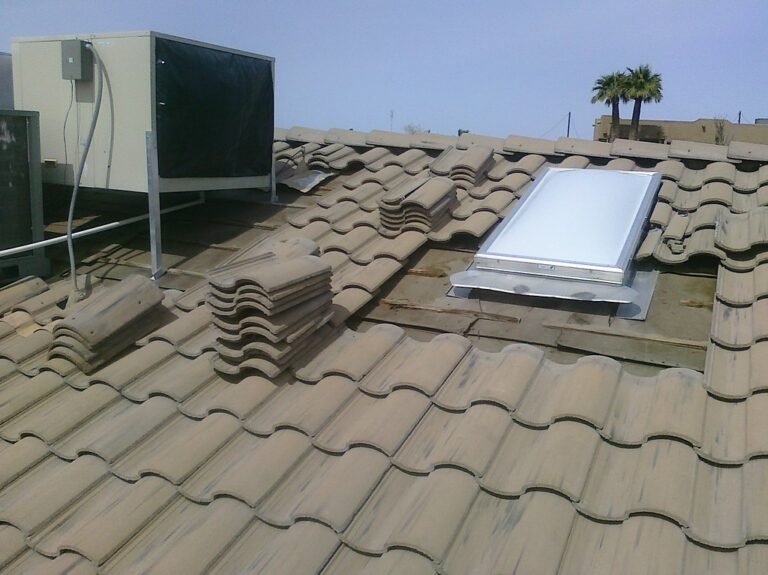
Your roof does a lot of quiet heavy lifting—blocking heat, rain, wind, and everything else the weather throws at your home. But when shingles start curling, leaks show up, or a storm rolls through, roofing suddenly becomes urgent. If you’re considering roofing services, this guide breaks down what reputable roofers do, the common service types, and how to hire with confidence.
What “Roofing Services” Usually Includes
Roofing companies don’t just “replace roofs.” Most provide a full set of services that cover inspection, repair, replacement, and ongoing maintenance.
1) Roof inspections
A professional inspection is often the best first step, whether you’re dealing with a leak or just planning ahead. A roofer will typically check:
- Shingles or tiles (cracks, missing pieces, lifting edges)
- Flashing around chimneys, vents, and valleys
- Gutters and drainage flow
- Signs of water intrusion in the attic or ceiling
- Soft spots that may indicate rot
When to schedule one: after severe storms, before buying/selling a home, or if your roof is 10+ years old and you haven’t had it checked recently.
2) Roof repairs
Repairs are ideal when damage is localized and the rest of the roof still has life left. Common repairs include:
- Replacing missing/damaged shingles
- Sealing leaks around flashing or penetrations
- Fixing sagging sections or minor rot
- Repairing storm damage
- Re-securing loose ridge caps and edges
A good roofer will explain whether the repair is a long-term fix—or just a temporary patch until replacement makes more sense.
3) Roof replacement (re-roofing)
If your roof is near the end of its lifespan or has widespread damage, replacement may be the safer and more cost-effective option over time. Replacement usually involves:
- Removing old materials (or installing over them when appropriate and allowed)
- Repairing deck issues (the wood structure beneath)
- Installing underlayment and waterproofing barriers
- Installing new shingles/tiles/metal panels
- Improving ventilation to reduce heat and moisture buildup
4) Preventive maintenance
Think of maintenance like an oil change for your home. It can help you avoid surprise leaks and extend roof life. Maintenance often includes:
- Clearing debris from valleys and gutters
- Resealing vulnerable flashing points
- Checking fasteners and sealants
- Spot-replacing worn components
5) Emergency roofing
After storms or sudden leaks, some roofers offer emergency tarping, temporary sealing, and fast-response repairs to prevent interior damage while a permanent solution is scheduled.
Signs You May Need Roofing Help
Some red flags are obvious. Others are sneaky. Watch for:
- Water stains on ceilings or walls
- Shingles that are curling, cracking, or missing
- Granules collecting in gutters (for asphalt shingles)
- A roof that looks “wavy” or sagging
- Daylight visible through attic boards
- Moldy or musty attic smells
- Unusually high cooling bills (poor ventilation/insulation can play a role)
If you’re seeing more than one of these, an inspection is worth it.
How to Choose the Right Roofing Contractor
Not all roofers deliver the same quality. These steps help you separate solid pros from risky bids.
Ask for proof of licensing and insurance
A reputable roofer should provide:
- Contractor license (where applicable)
- Liability insurance
- Workers’ compensation coverage
This protects you if something goes wrong on your property.
Get a detailed written estimate
A good quote includes:
- Materials (brand/type), underlayment, flashing details
- Labor scope (tear-off vs overlay)
- Estimated timeline
- Cleanup plan and debris removal
- Warranty details (workmanship + manufacturer)
If an estimate is vague, treat that as a warning sign.
Understand warranties
There are usually two:
- Manufacturer warranty (covers the roofing material)
- Workmanship warranty (covers installation quality)
The workmanship warranty matters a lot—installation is often what determines whether a roof performs well.
Look for transparency, not pressure
A trustworthy roofer will:
- Show photos of problem areas
- Explain options (repair vs replace) with pros/cons
- Answer questions without rushing you
If someone pushes “sign today” tactics or won’t explain basics, keep shopping.
What a Roofing Project Timeline Looks Like
Most residential projects follow a similar rhythm:
- Inspection + quote
- Material selection (shingles, metal, tiles; color and profile)
- Scheduling + permitting (if required)
- Installation
- Final walkthrough + cleanup
- Warranty paperwork
Many replacements can be done in a few days depending on size, weather, and complexity, but repairs can often be done faster.
Questions to Ask Before You Hire
Use these to get clear answers and avoid surprises:
- What’s the likely cause of the issue—and how do you confirm it?
- Will you replace flashing or reuse it?
- What underlayment and waterproofing do you install in valleys and edges?
- How will you protect landscaping and clean up nails/debris?
- Who will be on-site supervising the crew?
- What warranties are included, and what voids them?
- Can you provide recent references from similar projects?
Final Thoughts
Roofing services shouldn’t feel like a gamble. With a thorough inspection, a clear scope of work, and a contractor who communicates well, you can get a roof that looks great and protects your home for years.