
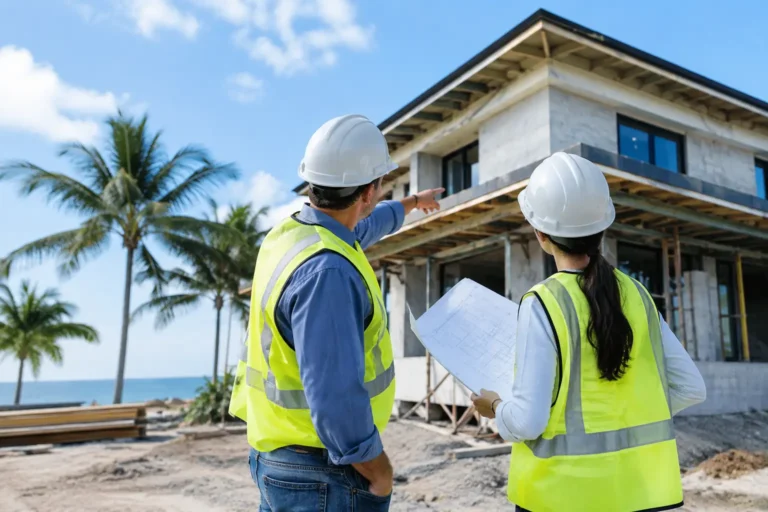
A hurricane does not test one part of a property at a time. Wind pressure works on the roof, openings, drainage, electrical service, paved areas, and every weak connection between them. That is why hurricane ready building trends are moving beyond a single upgrade, such as replacing a roof or adding shutters. South Florida property owners are increasingly planning improvements as connected systems designed to protect people, reduce damage, and make recovery more manageable.
For homeowners, that may mean coordinating a roof replacement with gutter improvements, impact-rated openings, and exterior drainage. For commercial owners and managers, it can mean evaluating roofing, parking lots, backup power, lighting, and water flow under one practical property plan. The right scope depends on the building’s age, use, existing condition, and budget, but the goal is consistent: fewer avoidable points of failure when severe weather arrives.
Hurricane Ready Building Trends Start With Connected Protection
The most meaningful trend is not a particular product. It is a shift toward whole-property planning. A new roof performs best when roof edges, flashing, vents, gutters, soffits, and drainage paths are evaluated with it. A paved parking area should be considered alongside site grading and stormwater movement. Electrical upgrades deserve attention to equipment location, water exposure, and the needs of the people using the building after a storm.
This approach helps owners avoid the costly cycle of repairing one damaged component only to discover that water entered through another overlooked area. It also creates a clearer order of work. For example, it makes little sense to complete a new driveway before correcting drainage that sends water toward the structure, or to renovate interior finishes before resolving a recurring roof leak.
South Florida’s climate makes this coordination especially valuable. Heavy rain can expose drainage problems quickly, while strong winds can turn loose exterior features into hazards. Quality construction is not simply about selecting durable materials. It is about ensuring the materials, installation methods, and surrounding conditions work together.
Stronger Roofing Systems and Better Roof Details
Roofing remains one of the most important hurricane preparedness investments. Current building trends favor complete roofing systems rather than treating shingles, tiles, or metal panels as isolated surface materials. Underlayment, flashing, fasteners, edge metal, penetrations, and ventilation all affect how the system performs during wind-driven rain.
Roof-to-Wall Connections Matter
Wind uplift can place major stress on a roof structure. During a replacement or substantial repair, qualified professionals should examine the connection between the roof framing and walls where accessible. In some cases, strengthening these connections may be appropriate, particularly for older properties. The needed work depends on the structure and applicable code requirements, so assumptions should never replace an on-site assessment.
Attention to roof edges is also growing. Perimeter areas often experience greater wind forces than the center of the roof. Properly installed drip edges, flashing, and fastening patterns can help reduce opportunities for wind and water intrusion.
Repairs Are Not Always Enough
A targeted roof repair can be the responsible choice when damage is limited and the overall system remains in good condition. But repeated leaks, deteriorated materials, storm damage across multiple areas, or an aging roof may point toward replacement. The lower upfront cost of repeated patching can become more expensive if water reaches insulation, framing, ceilings, or electrical components.
A clear inspection should explain what is damaged, what can reasonably be repaired, and where a replacement offers better long-term protection. Property owners deserve that straightforward distinction before committing to work.
Impact Protection Is Expanding Beyond Windows
Impact-rated windows and doors remain a recognizable part of hurricane preparation, but the broader trend is to assess every exterior opening and attachment. Garage doors, entry doors, sliding doors, roof vents, soffits, exterior lights, gates, and mechanical equipment can all be vulnerable during high winds.
Openings matter because a breach can allow wind pressure to build inside a structure. That pressure can increase stress on the roof and walls. Impact-rated products and approved protective systems can help, but proper installation is just as important as the product rating. A high-quality window or door will not perform as intended if the surrounding opening, fastening, or sealing is incorrect.
For commercial properties, this planning should include storefronts, loading areas, exterior access doors, rooftop equipment screens, and signage. These features are often exposed and may affect both occupant safety and business continuity.
Drainage and Hardscaping Are Part of Storm Readiness
Hurricane preparation is often associated with wind, but water management deserves equal attention. Intense rainfall can overwhelm properties with poor grading, clogged drainage routes, cracked pavement, or hard surfaces that direct water toward the building.
Modern hurricane-ready site work focuses on moving water away from structures while maintaining safe, usable exterior areas. Driveways, walkways, patios, parking lots, and pool decks should be evaluated for slope, surface condition, drainage inlets, and transition points near doors and foundations. Standing water is more than an inconvenience. It can contribute to pavement deterioration, slippery conditions, erosion, and moisture problems around the building.
Paving and concrete repairs can be an opportunity to correct underlying site issues. A failing parking area may need more than a new surface. If water pools in the same location after every heavy rain, the base, grading, drainage, or nearby runoff path may need attention first.
Pool areas also require practical preparation. Secure loose furniture and accessories before a storm, but consider the permanent elements as well. Proper deck drainage, sound electrical work, and well-maintained surrounding hardscape help protect the investment and support safer recovery afterward.
Electrical Resilience Focuses on Safety and Recovery
Electrical planning is another major part of hurricane ready building trends. The priorities are straightforward: protect people from electrical hazards, reduce exposure of critical equipment to water, and support faster recovery after an outage.
Property owners are increasingly considering generator connections, transfer equipment, surge protection, exterior lighting, and the placement of electrical panels or equipment during renovations. Not every property needs the same level of backup power. A homeowner may prioritize refrigeration, select lighting, and a few essential outlets. A business may need to consider security systems, communications, refrigeration, pumps, tenant needs, or critical operations.
Any generator or electrical backup plan must be designed and installed safely. Improvised wiring and improper generator use can create serious fire, shock, and carbon monoxide risks. A licensed electrical professional can help identify an appropriate scope, confirm equipment compatibility, and ensure work follows applicable requirements.
Resilient Materials Must Be Matched to the Property
Durable materials are increasingly chosen with storm exposure and maintenance in mind. This may include moisture-resistant exterior finishes, corrosion-resistant fasteners and connectors, reinforced concrete elements, and paving materials suited to traffic and drainage conditions. Material selection should account for salt air near coastal areas, sun exposure, expected maintenance, and the building’s architecture.
There is no one “best” material for every South Florida property. A commercial parking lot faces different loads and drainage demands than a residential walkway. A roof material that suits one structure may not be appropriate for another because of roof slope, framing, budget, or neighborhood requirements. The value comes from matching the system to the actual property, not from choosing the most expensive option by default.
Plan Improvements Before Hurricane Season
The most difficult time to make construction decisions is after a storm, when materials, labor, and inspection schedules may be under pressure. Planning ahead gives owners time to compare options, address issues in the right sequence, and complete work without the urgency of an approaching forecast.
Begin with a practical review of the roof, openings, electrical system, exterior drainage, pavement, and visible concrete. Look for warning signs such as recurring leaks, cracked or heaved surfaces, ponding water, loose exterior components, aging doors, or outdated electrical equipment. Document what you find and prioritize conditions that affect safety or allow water into the building.
Castellón Services Corp. helps property owners coordinate roofing, electrical, concrete, paving, remodeling, and civil work through one accountable construction partner. A detailed project scope can turn scattered concerns into a focused plan that supports protection, durability, and long-term property value.
The best time to strengthen a property is when you can make decisions carefully. Address the small warning signs now, and each well-planned improvement can make the next storm season less uncertain.