
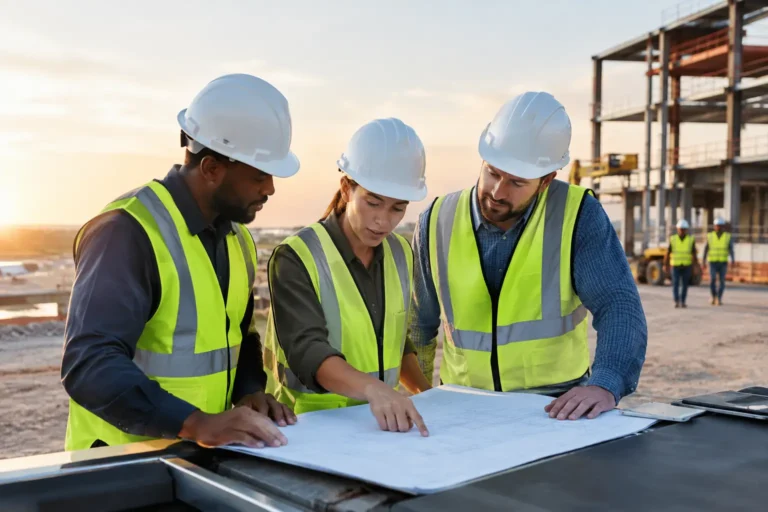
A construction site can change quickly. One area may be ready for concrete work while another has roof repairs underway, materials are being delivered, and residents or employees still need safe access to the property. Construction safety is what keeps those moving parts organized, protects the people around the work, and helps prevent a manageable project from becoming a costly interruption.
For homeowners, business owners, and project managers, safety should not feel like a separate concern handled only by the crew. It is a visible sign that the contractor has planned the work, respects the property, and is prepared to take responsibility from start to finish.
Construction Safety Begins With a Clear Plan
Safe work starts before tools are unloaded. A contractor should review the project scope, site conditions, access points, utilities, existing structures, and the people who may be affected by the work. That early review is especially valuable on occupied homes, active businesses, multifamily properties, and sites where several trades are working at once.
A clear plan identifies where materials will be stored, how vehicles and equipment will enter and leave, which areas need to remain open, and where temporary barriers are necessary. It also accounts for the order of work. For example, electrical work, roofing, concrete placement, paving, and interior remodeling can create different hazards if they overlap without coordination.
Planning does not eliminate every unexpected condition. Hidden damage, changing weather, or an existing site issue can require adjustments. The difference is that a prepared contractor stops, evaluates the change, communicates what it means, and establishes the safe next step rather than rushing forward.
Start With a Site Assessment
A good site assessment looks beyond the visible project area. Crews should consider uneven ground, overhead lines, utility locations, drainage, traffic patterns, nearby doors and walkways, and the condition of surrounding structures. On a roofing project, that includes safe access to the roof, secure ladder placement, and protecting landscaping or parked vehicles below. On a paving project, it includes separating pedestrians from trucks, equipment, and fresh surfaces.
South Florida conditions add another layer of planning. Heat, sudden rain, wet surfaces, and storm-season weather can affect footing, equipment use, material performance, and work schedules. Delaying a task when conditions are unsafe may be frustrating in the moment, but it is usually better than risking an injury, damaged work, or a larger delay later.
Protecting People Outside the Work Area
Construction safety is not limited to workers. Residents, customers, delivery drivers, tenants, neighbors, and visitors may not understand the hazards created by an active project. They need clear guidance and a safe route around the work.
Temporary fencing, caution signs, marked walkways, protected entry points, and controlled access help make expectations clear. On commercial properties, the contractor and property manager should agree on how customers, employees, and deliveries will move through the site. At a residence, homeowners should know which areas to avoid, when access may be limited, and how to keep children and pets away from equipment and materials.
The right control depends on the project. A small interior renovation may need dust containment and a clearly protected path through the home. A parking lot or driveway project may require phased work so vehicles can still enter safely. A pool construction site needs stronger perimeter control because excavation, exposed rebar, and equipment create hazards that should never be left accessible.
Communication makes these measures work. A barrier is useful, but a client also needs to know why it is there, how long it will remain, and who to contact if site access becomes a problem.
Safe Crews Deliver Better Work
Professional safety practices support quality workmanship. Crews who are trained to inspect tools, use appropriate protective equipment, maintain clean work areas, and follow task-specific procedures are better positioned to work accurately and consistently.
Personal protective equipment is one part of the process, not the whole process. Hard hats, gloves, eye protection, fall protection, hearing protection, and appropriate footwear each have a purpose, but the correct equipment depends on the work being performed. A worker cutting concrete faces different hazards than a technician completing electrical repairs or a crew member installing roof materials.
Housekeeping also matters more than many property owners realize. Loose cords, scattered debris, unsecured materials, spills, and poorly stored tools create avoidable trip, cut, and fire hazards. Keeping the site orderly protects workers and visitors while helping the project remain efficient. It reduces time spent searching for materials, correcting damage, or responding to preventable problems.
For clients, this is often easy to recognize. A well-managed site does not have to look perfect during active construction, but it should look controlled. Materials should be placed with purpose, hazards should be marked, and crews should treat the property with care.
Managing High-Risk Work Carefully
Every project has its own risks, but some tasks demand additional planning and oversight. Roof work involves fall hazards, changing surface conditions, and debris control. Electrical work requires careful attention to power sources, existing wiring, and proper shutdown procedures. Excavation and pool construction require awareness of underground utilities, soil conditions, and perimeter protection.
Concrete and paving work can involve heavy equipment, moving trucks, hot materials, silica dust, and restricted access while surfaces cure. Civil and infrastructure work may add traffic control, deeper excavation, and coordination with public utilities or other contractors.
The goal is not to make every project feel complicated. It is to match the safety approach to the real conditions of the job. A responsible contractor does not use the same process for a small repair and a large commercial site. The scope, occupancy, equipment, and surrounding environment should guide the plan.
When several trades are involved, coordination becomes even more valuable. One accountable contractor can help sequence work so crews are not working over, under, or around one another without clear communication. That coordination helps protect people, preserves completed work, and keeps the schedule more predictable.
What Clients Should Expect From Their Contractor
You do not need construction experience to ask practical safety questions. Before work begins, ask how the crew will protect occupied areas, manage access, store materials, and address weather or unforeseen conditions. If the project affects a driveway, roof, electrical service, parking area, or building entrance, ask what temporary disruptions to expect and how long they may last.
You should also expect straightforward communication when a condition changes. Safety decisions sometimes require a pause, an adjustment to the work sequence, or additional protection for the site. A dependable contractor explains the reason clearly and offers a practical path forward.
Be cautious of proposals that focus only on speed or the lowest price without explaining how the work will be managed. Competitive pricing matters, but shortcuts involving site protection, qualified labor, proper equipment, or coordination can create risks that cost far more than the initial savings.
Castellón Services Corp. approaches projects with the understanding that quality, safety, and reliability must work together. Whether the scope involves remodeling, roofing, paving, electrical work, concrete, pools, or civil construction, careful planning and responsive communication help protect the people and property that matter most.
Safety Is Part of Respecting the Property
The strongest safety culture is visible in daily decisions: securing a work zone before leaving, clearing debris from a walkway, protecting a finished surface, checking equipment before use, and speaking up when a condition is not right. These details demonstrate respect for the client, the crew, and the investment being made in the property.
Before selecting a contractor, look for more than a promised completion date. Look for a partner who can explain how the work will be organized, how your site will be protected, and how concerns will be handled while the project is underway. That conversation is often where dependable construction begins.