
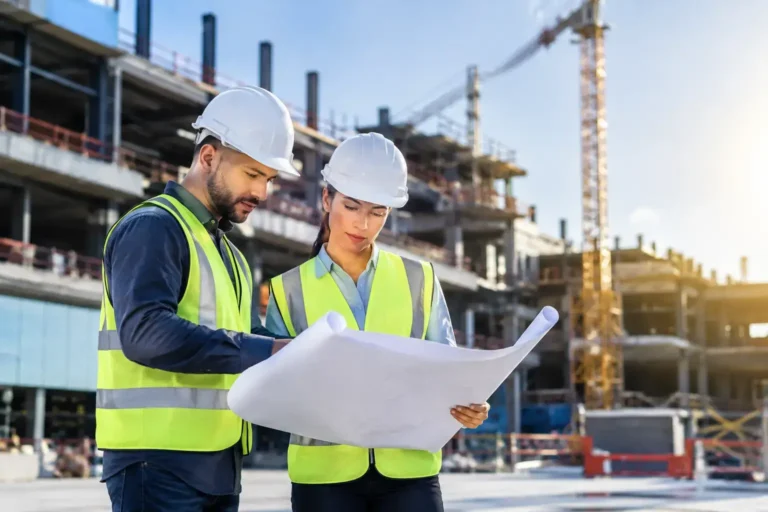
A business renovation or building project is never just about the finished space. It affects daily operations, tenant expectations, customer access, safety, and the condition of a valuable property. Commercial construction must account for all of those pressures from the first site visit through final cleanup. The right contractor helps keep the work organized so owners and managers can focus on running their business.
Whether the need is a parking lot upgrade, roof repair, electrical work, interior remodeling, concrete installation, or a larger civil project, a clear plan makes the difference between a controlled project and a costly disruption.
What Commercial Construction Should Deliver
Commercial work has to do more than look finished on opening day. It should support the way a property operates, hold up under regular use, and meet the safety requirements that protect occupants and visitors. A new surface, renovated suite, repaired roof, or upgraded electrical system should solve a real problem rather than create another maintenance concern a few months later.
That requires careful coordination between the scope of work, material selection, scheduling, site conditions, and the people using the property. For a retail center, customer access may be the priority. For an office renovation, it may be reducing noise and downtime for tenants. At an industrial or multifamily property, durability, drainage, traffic flow, and long-term maintenance may carry more weight.
There is no one-size-fits-all approach. A dependable contractor starts by understanding the property, the project goals, and the limitations that need to be managed.
Plan the Work Around Business Operations
The strongest projects begin before equipment arrives on site. Early planning identifies how the work will affect entrances, deliveries, parking, utilities, occupied areas, and neighboring businesses. It also gives property owners a realistic view of what can be completed at once and what should be phased.
Phasing is especially valuable when a business must remain open. A parking lot, for example, may need to be completed in sections so customers and employees retain safe access. Interior remodeling may be scheduled around occupied offices, tenant move-ins, or lower-traffic hours. Roofing work may require weather monitoring and protection measures to prevent water intrusion while repairs or replacement are underway.
A contractor should communicate these decisions plainly. Owners need to know what will happen, when it will happen, and what preparation is expected from their team or tenants. Straightforward communication reduces confusion, helps prevent avoidable delays, and makes it easier to respond when site conditions change.
A Clear Scope Prevents Unnecessary Surprises
A detailed scope does not mean every project will be free from unforeseen conditions. Older buildings can reveal hidden deterioration, outdated wiring, drainage issues, or damage beneath finished surfaces. What a clear scope does provide is a solid starting point for decisions, pricing, responsibilities, and expected results.
Before work begins, it helps to confirm the areas included, materials proposed, work sequence, access needs, cleanup expectations, and any approvals that may apply. If a change becomes necessary, it should be explained before the work moves forward. That level of accountability matters because small changes can affect cost, timing, and the performance of surrounding systems.
The Core Areas of Commercial Construction
Commercial properties often require several trades to work together. Hiring separate providers for each need can create gaps in communication, competing schedules, and uncertainty about who is responsible when one part of the project affects another. Working with a full-service contractor can simplify that process.
Paving and concrete work are a good example. A parking area must be more than smooth and visually appealing. It needs a stable base, proper drainage, safe transitions, and a layout that supports vehicle and pedestrian traffic. Cracking, ponding water, uneven walkways, and deteriorated curbs can create liability concerns as well as a poor first impression.
Roofing protects the entire building envelope. In South Florida, intense sun, wind-driven rain, and storm exposure can shorten the life of neglected roofing materials. Prompt repairs help limit interior damage, while a well-planned replacement gives owners an opportunity to address drainage, flashing, and vulnerable penetrations before they become expensive problems.
Electrical work deserves the same practical attention. Commercial spaces may need upgraded service, new lighting, additional circuits, repairs, or power planning for remodeled areas and specialized equipment. The goal is safe, reliable operation that supports the current use of the building and leaves room for reasonable future needs.
Interior remodeling brings these systems together. A renovated lobby, office, retail space, restroom, or tenant area may involve demolition, concrete, electrical, finishes, and exterior improvements. Coordination keeps the sequence logical. There is little value in completing finished surfaces before overhead electrical work, repairs, or other access-dependent tasks are complete.
Choosing Materials for Long-Term Value
The lowest initial price is not always the most affordable choice. Materials and installation methods should be selected based on traffic, exposure, maintenance expectations, and the property’s intended use. A light-use walkway and a heavily traveled commercial drive do not need the same design. Likewise, a roofing solution for a small office building may differ from one serving a larger facility with frequent rooftop access.
Durability is especially important in South Florida. Heat, humidity, heavy rain, salt air in coastal areas, and storm conditions can test roofs, paved surfaces, concrete, coatings, and electrical components. Quality workmanship and appropriate materials reduce the chance that a new installation will need premature repair.
Still, value is not simply about choosing the most expensive option. The right choice depends on the building, the budget, the expected service life, and the level of maintenance the owner is prepared to provide. An experienced contractor should explain those trade-offs in practical terms, without pushing work that does not serve the property’s needs.
Safety Is Part of the Finished Product
Safety should be visible in how a project is managed, not treated as an afterthought. Job sites need controlled access, organized materials, clear work areas, and attention to workers, building occupants, and visitors. When a property remains active during construction, this planning becomes even more important.
The finished work should also improve everyday safety. Properly graded paving helps direct water away from travel paths. Sound concrete and walkways reduce trip hazards. Roofing repairs protect against leaks that can damage ceilings and create unsafe conditions. Electrical repairs and upgrades help address risks that are not always visible from the outside.
For property managers, these details are closely tied to the reputation of the property. Tenants and customers notice whether the parking area is maintained, entrances feel safe, lighting works properly, and common areas are cared for. Construction decisions influence that experience long after the crew has left.
Communication Is the Contractor’s Responsibility
Construction can involve unexpected conditions, delivery changes, weather interruptions, and coordination with other parties. The issue is not whether every project will encounter a challenge. The issue is how the contractor handles it.
Reliable commercial construction depends on responsive communication, accurate expectations, and a team that takes ownership of its work. Owners should not have to chase updates or sort out which trade is responsible for a problem. They need a point of contact who understands the full scope and can keep the project moving.
Castellón Services Corp. provides that kind of coordinated support for commercial property improvements, from paving and concrete to roofing, electrical, remodeling, and civil work. The focus is on dependable workmanship, careful planning, and results that serve the property well.
Build for the Next Stage of Your Property
A commercial project should leave a property more functional, safer, and easier to maintain than it was before work began. That may mean repairing a failing roof before it affects occupied spaces, improving a worn parking area, preparing a unit for a new tenant, or updating a building system that no longer meets operational needs.
The best time to address these needs is before they disrupt the business, threaten safety, or grow into a larger repair. Start with a clear conversation about the property, the priorities, and the result you need. With the right planning and accountable execution, construction becomes a practical investment in how your business operates every day.