
The first hard rain of the season has a way of turning a small property issue into an urgent call. Water finds worn roof flashing, backs up against a clogged drain, slips through cracked sealant, and settles in low spots across a driveway or parking lot. Seasonal prevention gives property owners time to correct those weak points before weather, heat, and daily use make them more expensive to repair.
For homes and commercial properties in South Florida, timing matters. The combination of heavy rain, strong winds, intense sun, humidity, and year-round traffic can wear down materials faster than many owners expect. A practical inspection before the most demanding months is not about finding reasons to renovate. It is about protecting what is already working, identifying what is beginning to fail, and planning repairs on your schedule rather than in the middle of an emergency.
Why Seasonal Prevention Cannot Wait
Most property damage does not begin with a dramatic event. It starts with a loose shingle, a hairline concrete crack, ponding water near an entry, an aging electrical connection, or a small area of pavement that no longer drains correctly. During mild weather, these conditions can be easy to overlook. Once repeated rain and heat arrive, they can spread quickly.
Waiting also limits your options. An owner who addresses a minor roof repair early can usually schedule work around occupants, business hours, and material availability. An owner who waits until an active leak damages ceilings or interrupts operations may need immediate repairs, temporary protection, restoration work, and a tighter timeline. The same principle applies to paving, drainage, electrical systems, pools, and exterior concrete.
The goal is not to replace every aging element at once. It is to make informed decisions based on condition, safety, and exposure. Some repairs can be completed promptly. Others may be better handled through a phased plan that protects the most vulnerable areas first.
Start With the Parts of the Property That Take the Most Abuse
A useful seasonal inspection looks beyond appearance. Focus on areas that collect water, carry weight, receive direct sun, or protect the interior of the building. These are the components where preventive attention often delivers the greatest value.
Roofs and exterior openings
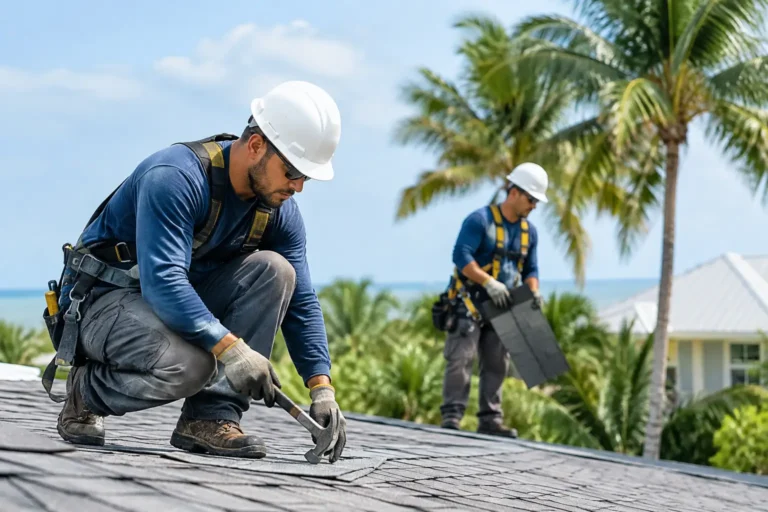
Your roof is the first line of defense against wind-driven rain, but the most vulnerable areas are often at the details: flashing around penetrations, transitions between roof sections, edges, drains, vents, and previously repaired areas. Loose materials, cracked sealants, damaged tiles or shingles, and staining below the roofline should be reviewed before storm conditions intensify.
Exterior doors, windows, wall penetrations, and soffits also deserve attention. Water intrusion does not always begin at the roof itself. Failed caulking or damaged trim can allow moisture into wall assemblies, where problems remain hidden until discoloration, swelling, or mold becomes visible indoors.
Drainage, concrete, and paving
A parking lot, walkway, driveway, or patio should move water away from structures and walking paths. If water stands for long periods after a typical rain, the issue may involve slope, drainage inlets, settlement, or deteriorated pavement. Ponding water is more than an inconvenience. It can weaken surfaces, create slip hazards, and send moisture toward foundations or building entrances.
Concrete cracks should be evaluated in context. A small surface crack may only need maintenance, while widening cracks, uneven slabs, spalling, or areas that hold water may indicate a larger repair need. Paving failures are similar. Early patching, sealing, drainage correction, or resurfacing can often prevent a localized issue from becoming a larger replacement project.
For commercial properties, this work affects more than curb appeal. Safe, well-maintained pavement helps protect customers, employees, tenants, and vehicles while supporting a more professional first impression.
Electrical systems and outdoor equipment
Heat, moisture, and storm activity place extra demands on electrical systems. Before the season is underway, look for signs that should not be ignored: frequently tripping breakers, flickering lights, outlets that feel warm, corroded exterior components, damaged covers, or equipment that no longer performs reliably.
Outdoor lighting, landscape circuits, pool equipment, and electrical connections near wet areas require particular care. These systems should be assessed and repaired by qualified professionals. Electrical work is not an area for temporary fixes, especially when water exposure is possible.
Pools, decks, and backyard structures
A pool area should be ready for heavy use as well as heavy rain. Check coping, deck surfaces, drainage paths, equipment pads, and visible plumbing connections. Cracked decking, loose pavers, deteriorated grout, or poor drainage can create safety concerns and allow water to reach areas where it does not belong.
If you are planning a new pool, deck upgrade, or backyard renovation, seasonal timing can shape the project plan. Starting early may provide more flexibility for design, permitting, scheduling, and construction before the busiest weather periods. The right approach depends on the scope of the project and how the space will be used.
A Practical Seasonal Prevention Plan
The strongest prevention plans are simple enough to follow. Begin with a visual walkthrough after a normal rain, if possible. Note where water collects, where surfaces feel uneven, and where stains, cracks, or loose materials have appeared. Take photos and record the date. This creates a clear baseline when discussing the condition of the property with a contractor.
Next, separate concerns by urgency. Water intrusion, electrical hazards, unstable walking surfaces, and active drainage failures should receive immediate attention. Cosmetic wear may be scheduled later, but it should not be dismissed if it is exposing underlying materials to moisture or sun.
Then consider coordination. A roof repair may need to be completed before interior remodeling. Drainage corrections should be planned before installing new paving or a new patio. Electrical upgrades may be easier to complete while walls, ceilings, or exterior surfaces are already open for related work. Working with one accountable construction partner can reduce handoffs and help ensure that the order of work makes sense.
Finally, do not wait for a major weather alert to request an inspection or estimate. Contractors are often most heavily scheduled after storms, when many properties need immediate attention. Planning before the rush generally allows for clearer communication, more predictable scheduling, and a better opportunity to compare repair options.
When Repair Is Enough and When Replacement Makes More Sense
Prevention is not always a repair-only strategy. An older roof with repeated leaks, pavement with widespread deterioration, or electrical components that no longer meet the property’s needs may require a larger solution. Continuing to patch a failing system can cost more over time and leave the property exposed during the next severe weather event.
Still, replacement is not automatically the right answer. A professional evaluation should account for the age of the material, the extent of damage, the condition of surrounding components, maintenance history, budget, and the owner’s long-term plans. A property being prepared for sale may need a different scope than a building expected to serve tenants for another decade.
Clear recommendations matter. Property owners should understand what needs immediate work, what can be monitored, and what investment will provide the most meaningful protection. That is how preventive maintenance becomes a practical business or household decision rather than a vague checklist.
Protect the Property Before the Forecast Changes
Seasonal prevention is most effective when it becomes part of regular property care, not a reaction to the first leak or the first flooded corner of the lot. A timely inspection can protect interior finishes, preserve safe access, reduce disruption, and help extend the useful life of roofs, paving, concrete, electrical systems, and outdoor spaces.
Castellón Services Corp. helps residential and commercial property owners coordinate repairs, improvements, and construction work with dependable workmanship and clear communication. Before the next stretch of heavy rain, heat, or storms arrives, give your property the attention it needs while there is still time to choose the right solution.