
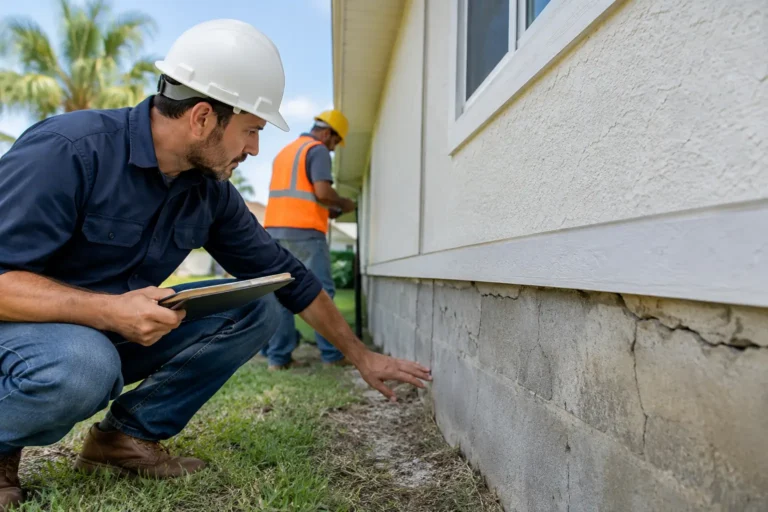
A small crack near a window can look like a cosmetic problem. A door that suddenly sticks can seem like a humidity issue. But when these changes appear together or continue to worsen, they may point to movement below the building. Foundation repair Miami property owners need is not about reacting to every hairline crack. It is about identifying the cause early, choosing the right scope of work, and protecting the structure before a manageable repair becomes a larger project.
South Florida properties face conditions that deserve close attention: heavy rain, changing soil moisture, drainage problems, aging concrete, nearby construction, and settlement over time. A careful evaluation separates normal material movement from signs that require professional action.
When Foundation Repair Miami Properties Need Attention
Concrete and masonry are durable, but no building remains completely still. Temperature changes, curing, minor settlement, and normal building movement can create small surface cracks. The concern begins when cracks grow, repeat in several areas, or come with changes in doors, floors, walls, or exterior concrete.
Look for cracks that run diagonally from the corners of doors and windows, stair-step cracks along block walls, or horizontal cracking in foundation or retaining walls. A crack wider at one end than the other can also indicate movement. Indoors, watch for doors or windows that no longer close properly, gaps around trim, separated cabinets, sloping floors, or tile cracks that return after replacement.
Outside, a settling slab, depressed patio area, leaning wall, or widening gap between a driveway and the home may provide another clue. Standing water near the building after rain is especially worth addressing. Water does not automatically mean foundation damage, but repeated saturation around a structure can contribute to soil movement and should not be ignored.
One symptom alone does not provide a diagnosis. A sticking door may simply need adjustment. A single hairline crack may be limited to a finish coat. The pattern, location, age, and progression of the issue matter more than any one sign.
Why South Florida Conditions Matter
Miami-area construction must perform through intense rain, high groundwater conditions in some locations, heat, and long periods of humidity. These conditions place a premium on drainage, site grading, roof-water management, and properly maintained exterior surfaces.
When water repeatedly collects beside a foundation, it can change the condition of the soil supporting the structure. Erosion can wash away material in certain areas, while saturated soil can lose consistency or place pressure on below-grade walls. Leaking plumbing lines and damaged drainage components may create similar concerns without being obvious from the surface.
Coastal and urban environments add other variables. Salt exposure can accelerate deterioration in reinforced concrete when moisture reaches embedded steel. Older properties may have repairs or additions completed under different conditions than the original structure. New hardscape, pools, driveways, or neighboring development can change how stormwater moves through a site.
That does not mean every property in Miami needs major structural work. It means repairs should be based on a site-specific assessment rather than assumptions. The right answer may be a localized concrete repair, improved drainage, crack monitoring, soil stabilization, structural reinforcement, or a more involved foundation solution. The scope depends on what is moving, why it is moving, and whether the condition is active.
Start With the Cause, Not the Crack
Filling a visible crack without understanding why it formed can create a short-lived result. Cosmetic patching may improve appearance, but it will not stop a crack caused by ongoing settlement, moisture intrusion, or structural movement. A responsible repair plan begins with inspection.
A contractor should review both the interior and exterior of the property, including wall cracking, slab conditions, water flow, roof drainage discharge points, concrete surfaces, and signs of settlement. Depending on the condition, the project may also require input from a licensed engineer or other qualified professional. This is particularly valuable when cracks are significant, movement appears active, load-bearing walls are affected, or commercial operations may be impacted.
Property owners can make the assessment more productive by documenting when they first noticed the issue and whether it has changed. Photos taken over several weeks or months can help show progression. Note whether doors started sticking after heavy rain, whether cracks widened, or whether water appears in the same location after storms.
A clear diagnosis should explain the likely cause, the recommended scope, the expected outcome, and any work that should be completed first. If drainage correction is necessary before concrete repair, that sequence matters. If structural movement has stopped and the concern is primarily cosmetic, a less invasive solution may be appropriate.
Common Repair Approaches and Their Trade-Offs
There is no single repair method that fits every foundation issue. The best approach should match the structure, soil conditions, access limitations, severity of movement, and engineering requirements.
Crack Repair and Concrete Restoration
For stable, nonstructural cracking, repair may include cleaning and sealing cracks, restoring damaged concrete, and protecting exposed surfaces. This can help prevent moisture intrusion and improve appearance. It is often the least disruptive option, but it is only appropriate when the underlying structure is stable.
Drainage and Water Management
Correcting drainage can be essential when water is contributing to settlement or deterioration. Solutions may involve adjusting grading, extending roof drainage away from the building, repairing damaged gutters or downspouts, improving surface drainage, or addressing areas where water ponds beside the structure.
Drainage work can protect a repair investment, but it is not a substitute for structural repair when significant foundation movement has already occurred. In many cases, the strongest plan combines water management with the repair needed to stabilize the affected area.
Slab Leveling or Stabilization
Where a slab has settled, a leveling or stabilization method may be considered. The right technique depends on the construction type, the amount of movement, subsurface conditions, and whether voids or soil loss are present. Access, utilities, finished flooring, and surrounding improvements can affect the scope and cost.
The goal is not always to return every surface to perfect visual level. Sometimes the priority is stopping further movement and restoring safe, functional conditions with minimal disruption. An honest contractor will explain that distinction before work begins.
Structural Reinforcement or Underpinning
More serious conditions may call for reinforcement or support below an affected foundation section. These projects require careful planning and may involve engineering, permits, excavation, specialized equipment, and coordination with other repairs. They can be more extensive, but they are designed for situations where surface-level fixes will not address the real problem.
For commercial buildings, the repair plan should also account for access, tenant safety, business continuity, parking areas, and project scheduling. A well-organized scope helps reduce disruption while keeping the worksite safe.
What a Professional Repair Process Should Feel Like
Foundation concerns can be stressful because the stakes are high and the technical language can be confusing. The process should still be straightforward. You should understand what was found, what needs attention now, what can be monitored, and how the work will affect your property.
A dependable project begins with a detailed site review and a defined scope. From there, the contractor should explain material choices, preparation requirements, schedule expectations, safety measures, and any recommendations for related work such as drainage, paving, concrete restoration, roofing drainage, or electrical coordination. This broader view is valuable because property problems rarely stay within one trade.
Castellón Services Corp. approaches property improvement with that accountability in mind. When a project involves concrete, drainage, exterior surfaces, or related site work, coordinated planning helps prevent one repair from creating a new issue elsewhere.
Before approving work, ask how the cause of the damage was evaluated, whether engineering or permitting is needed, what conditions could change the scope, and how the repaired area will be protected afterward. A clear answer is a sign that the contractor is planning for lasting performance rather than a quick patch.
Protect the Repair After the Work Is Done
Foundation protection continues after the repair crew leaves. Keep roof runoff directed away from the building, address plumbing leaks promptly, and avoid allowing water to collect against walls or slabs. Inspect exterior concrete, paved areas, and drainage paths after major storms, especially where water has pooled before.
If your property has mature trees close to the building, additions planned nearby, or a new pool, driveway, or patio on the horizon, discuss drainage and site conditions early in the planning process. Good construction decisions before the project starts can prevent avoidable problems later.
When you notice structural changes, do not wait for a minor concern to become an emergency. A careful inspection and practical repair plan can protect the safety, appearance, and long-term value of the property you have worked hard to maintain.