
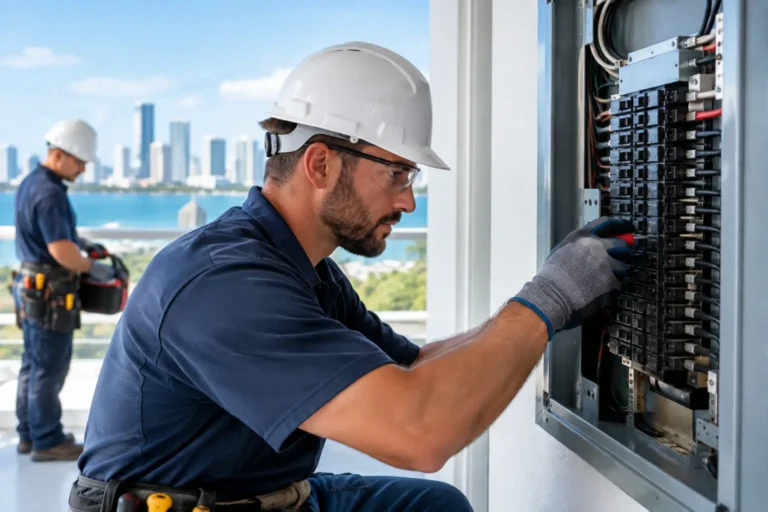
A tripped breaker during dinner is inconvenient. A panel that feels warm, makes buzzing sounds, smells burnt, or repeatedly loses power is a different concern altogether. An electrical panel upgrade Miami property owners schedule at the right time can improve safety, support renovations, and give a building the capacity to handle how people actually live and work.
The electrical panel is the control center for the property. It receives power from the utility and distributes it safely to individual circuits for lighting, appliances, air conditioning, equipment, and outlets. When that system is outdated, overloaded, damaged, or undersized for current demand, adding another circuit is not always the responsible answer. The panel itself may need attention first.
When an Electrical Panel Upgrade Miami Property Needs Makes Sense
Many older homes and commercial spaces were designed before central air conditioning, electric vehicle chargers, large kitchen appliances, home offices, and modern entertainment systems became common. A panel that once served the property adequately may now be working near or beyond its intended capacity.
Frequent breaker trips are one of the most recognizable signs. Breakers are designed to shut off power when a circuit is overloaded or a fault occurs. An occasional trip can happen, but recurring trips from normal use deserve a professional evaluation. Resetting the breaker repeatedly does not solve the reason it is tripping.
Other warning signs include flickering lights when appliances start, corrosion around the panel, visible damage, rust, loose connections, or an electrical service that cannot support planned improvements. Older fuse boxes and certain obsolete panel models also require closer review because age, condition, and available replacement parts can affect safety and reliability.
A panel upgrade is also worth considering before a major project begins. A kitchen remodel, room addition, pool installation, new HVAC system, generator connection, or commercial build-out can significantly change electrical demand. Reviewing capacity during planning helps prevent delays after walls are open or equipment has already been selected.
Capacity Is About More Than the Panel Rating
It is tempting to view an upgrade as a simple change from a lower amp rating to a higher one. In reality, safe electrical planning considers the full service: the panel, breakers, service entrance equipment, grounding, wiring condition, utility connection, and the expected load of the building.
A qualified electrician calculates the load based on the property and the equipment being used or planned. This helps determine whether the existing service can reasonably support the demand and whether a larger panel, service upgrade, new circuits, or a combination of improvements is appropriate.
For example, a homeowner may want a dedicated circuit for an EV charger while also planning a pool pump and upgraded air conditioning. A business may be adding refrigeration, office equipment, specialized machinery, or additional tenant space. These needs are not interchangeable. The right scope depends on actual equipment, the building’s existing electrical system, and local code requirements.
More capacity can create room for growth, but bigger is not automatically better. Installing equipment beyond what the property needs can increase cost without adding practical value. The goal is a properly designed system that safely serves current use while allowing reasonable flexibility for future improvements.
What a Professional Upgrade Process Should Include
Electrical panel work is not a cosmetic project or a do-it-yourself repair. It involves energized components, utility coordination in some cases, code compliance, and careful testing. A dependable contractor begins with an on-site assessment rather than offering a one-size-fits-all recommendation.
The assessment should identify the condition of the existing panel, available capacity, circuit labeling, grounding and bonding, signs of damage, and any planned additions that will affect demand. It should also clarify whether the issue is limited to the panel or extends to older wiring, service equipment, or individual circuits.
From there, the scope can be clearly explained. Property owners should understand what equipment is being replaced, whether new circuits are included, what permit and inspection steps apply, and whether the utility must disconnect and reconnect service. Transparent communication matters because electrical upgrades can require a planned shutdown. Knowing the expected sequence helps homeowners, tenants, and businesses prepare.
During installation, qualified crews replace or install equipment according to the approved scope, organize and identify circuits, make required connections, and test the work. Proper labeling is a small detail with lasting value. In an emergency or during future maintenance, clearly identified circuits make the system easier to use safely.
Permits and inspections are not paperwork to skip. They provide an independent check that the work meets applicable safety requirements. Requirements can vary by municipality and property type, particularly for commercial spaces, multi-unit buildings, and renovations involving multiple trades. A professional contractor can help coordinate the process and keep the project moving responsibly.
Planning Around Renovations and South Florida Conditions
In South Florida, electrical decisions often connect to broader property improvements. A remodel may involve new lighting, appliances, outlets, and air conditioning loads. A pool project may require dedicated equipment circuits. Storm preparation may include a generator inlet, surge protection, or electrical repairs after water intrusion.
Timing the panel evaluation early allows the electrical work to be coordinated with roofing, remodeling, concrete, pool, or civil work when needed. This reduces the chance of duplicating work or discovering a capacity issue after other parts of the project are underway. For commercial property managers, early coordination is especially helpful when work must fit tenant operations, access restrictions, and scheduled shutdown windows.
Miami’s heat and humidity also make reliable power more than a convenience. Air conditioning, refrigeration, pumps, security systems, and business equipment may all depend on a system that is properly maintained and sized. While an upgraded panel cannot prevent every outage or equipment failure, it can address known limitations within the property’s electrical distribution system.
Questions to Ask Before Approving the Work
A clear proposal should give you confidence in both the work and the people performing it. Ask what condition was found, why the recommended scope is needed, and whether the proposal includes permits, inspections, utility coordination, new breakers, circuit changes, and panel labeling. If a shutdown is expected, ask how long it may last and what preparation is recommended.
It is also useful to discuss future plans honestly. If an EV charger, addition, pool, generator, upgraded HVAC system, or commercial equipment is likely within the next few years, mention it before the load calculation and panel selection are finalized. Planning ahead can be more cost-effective than reopening a completed installation later.
Price matters, but it should not be the only comparison point. A very low estimate may omit permit handling, service upgrades, repairs to related equipment, or the time required for careful testing and inspection. Compare scopes line by line so you understand what each contractor is actually providing.
Choose Workmanship That Protects the Property
An electrical panel upgrade is an investment in safety, dependable daily operation, and the next phase of the property. The best result comes from a contractor who evaluates the whole situation, explains the options in plain language, and completes the work with attention to code, scheduling, and clean workmanship.
Castellón Services Corp. approaches electrical improvements as part of the bigger picture of your home, business, or project. Whether the need is a targeted panel replacement or electrical planning for a larger renovation, the work should be handled with clear communication and accountability from the first assessment through final completion.
If breakers are tripping regularly, lights are behaving unpredictably, or a planned improvement will add meaningful electrical demand, do not wait for a more serious disruption. A professional evaluation can give you a clear path forward and help keep the property ready for the way you use it now.